Vein disease touches far more people than most realize. By age 50, a sizable share of adults have visible spider veins or bulging varicose veins, and many have aching, heaviness, swelling, night cramps, or restless legs they chalk up to age or long days at work. In a vein clinic, we see the same pattern week after week: someone delays care because they heard laser vein treatment is only cosmetic, or painful, or risky. My goal here is simple. Sort the hearsay from what actually happens inside a modern vein treatment center so you can make a decision with full information and realistic expectations.
" width="560" height="315" style="border: none;" allowfullscreen="" >
What “laser vein treatment” actually means
People use the phrase in two very different ways, and the difference matters.
One meaning refers to endovenous laser ablation, the workhorse procedure used to close off a faulty trunk vein like the great saphenous vein. In this minimally invasive procedure, a vein specialist uses ultrasound to guide a thin fiber into the diseased vein, then activates laser energy along a short segment while withdrawing the fiber. Heat causes the vein walls to seal. Over time, your body remodels and absorbs the treated vein.
The other meaning refers to noninvasive surface lasers aimed at the skin. These devices target hemoglobin in very small spider veins, particularly on the face or fine leg veins. Although they have a legitimate role, they are not the first line for most leg vein patients with symptoms or bulging varicose veins.
When a vein doctor talks about definitive treatment for symptomatic leg veins, they usually mean endovenous laser ablation or its close cousin, radiofrequency ablation. Both techniques live under the umbrella of minimally invasive venous care offered at a venous disease center or comprehensive vein care practice.
Myth: “It’s just cosmetic”
Varicose veins and spider veins can be cosmetic, particularly when they are small, painless, and limited. Many patients visit a cosmetic vein clinic or vein medical spa for spider vein removal because the clusters make them self‑conscious in shorts. That is valid and common.
But significant varicose veins signal venous reflux, a disease process. The one-way valves in the leg veins fail, blood falls backward with gravity, and pressure builds. This leads to aching, heaviness, swelling around the ankles, itching, night cramps, restless legs, and skin changes such as discoloration or eczema. Left unchecked for years, reflux can contribute to venous ulcers around the ankles. Those ulcers are not a cosmetic issue. They require specialty care, often at a leg ulcer clinic or venous insufficiency clinic, and they heal better when the underlying reflux is treated.
This is why reputable vein treatment centers start with a diagnostic ultrasound rather than jumping straight to spider vein therapy. Treat the cause first, then the surface. Insurance coverage follows the same logic. Policies often cover ablation at a vein closure clinic when you have documented reflux and symptoms, whereas purely cosmetic surface treatments may not be covered.
Myth: “Laser treatment is the same as vein stripping”
Vein stripping was the standard decades ago. It involved general anesthesia and physically pulling out a long section of vein through incisions. It worked, but it came with downtime, bruising, and hospital logistics. Modern ablation feels very different.
In a minimally invasive vein clinic, endovenous laser ablation is performed under local tumescent anesthesia. You walk into the outpatient vein clinic, lie down in a procedure room, and leave about an hour later. No general anesthesia. No large incisions. Most patients return to their usual routine within a day, sometimes the same day. Bruising and soreness can occur, especially along the treated path, but they usually settle over one to two weeks. Compared with historical stripping, local vein clinic near me complication rates are lower and recovery faster. That leap forward is part technique, part imaging. High-resolution ultrasound allows a phlebologist to map your venous system and target the true culprits with precision.
Myth: “It’s excruciating”
I have performed and supervised hundreds of endovenous laser cases. Pain perception varies, but “excruciating” is not the word my patients use. Expect minor pinches when we numb the skin and the cool sensation of tumescent anesthesia infiltrating around the vein. The laser energy itself is not felt because the vein is insulated by the local anesthetic and fluid cushion. Mild aching afterward responds to over‑the‑counter pain relief and walking. When someone reports more than minimal soreness, it typically correlates with a larger varicose vein, extensive disease, or sensitivity to bruising. Even so, the vast majority get by with acetaminophen or ibuprofen and resume activity within 24 hours.
Surface laser for spider veins can sting during the pulses, much like a snapping rubber band. We use cooling devices or gel to protect the skin and reduce discomfort. Treatment sessions are short. Most people tolerate them without numbing cream, though we can apply it when needed.
Myth: “Lasers always cause burns and nerve damage”
Energy platforms of any type carry risk, but the actual numbers with modern techniques are low in experienced hands. In endovenous laser ablation, the laser fiber is placed within the vein and the surrounding tissue is protected by a generous ring of tumescent fluid. The depth of the trunk veins and this protective buffer reduce thermal spread. Rarely, if a small sensory nerve lies close to a treated segment, patients may notice a patch of numbness or tingling near the ankle. It usually improves over weeks to months. True burns on the skin surface during endovenous procedures are uncommon. They tend to occur when techniques are sloppy or ultrasound guidance is inadequate.
Surface laser for spider veins aims at small vessels near the skin, so superficial blistering or pigment change can occur, especially in darker skin types or with high fluence settings. A qualified vein physician will tailor settings, test a small area, and sometimes steer toward sclerotherapy or a different wavelength to minimize risk. Candid conversations about your skin tone, tanning history, and goals matter more than the name of the device.
Myth: “If you close veins, you ruin your circulation”
This one persists because it sounds intuitive. Why would closing a vein improve flow? The key is that we only ablate diseased superficial veins with broken valves. These veins are not carrying blood upward efficiently. They allow blood to fall backward, pool, and increase pressure. Closing them reroutes flow into healthy deep veins, which are built for the job. The deep venous system handles the lion’s share of blood return from the legs, and it benefits when the leaky pathways are shut.
One way to visualize this is a city street map. Think of the deep veins as the highway and the superficial veins as frontage roads. When a frontage road is riddled with potholes and dead ends, drivers get stuck and the highway clogs at the on‑ramps. Removing the broken frontage road forces traffic onto the highway where the lanes are wide, the signs are clear, and the lights are synchronized.
This is also why vein evaluation includes a duplex ultrasound at a vein diagnostic center. If a deep vein has obstruction or prior clot damage, we plan accordingly. If there is a pelvic vein compression, we address that first. Good outcomes depend on understanding the entire circulation, not just the vein we happen to see at the skin.
Myth: “Spider veins and varicose veins are the same problem”
They share the word vein, but they behave differently. Varicose veins are large, ropey, and often linked to reflux in the saphenous trunks. They cause heaviness, pain, and throbbing. Spider veins are small red, blue, or purple webs in the skin layer. They can itch or sting, especially around the knees and ankles, but they rarely cause deep achiness.
At a spider vein clinic, treatment often starts with sclerotherapy, which involves injecting a liquid or foam sclerosant into the tiny vessels. Surface laser can be helpful for very fine red spider veins that are too small for a needle or in people who prefer to avoid injections. If your leg exam shows clusters of spider veins around the inner ankle or knee along with symptoms, a vein expert may order ultrasound to look for underlying reflux. Treat the trunk reflux at a vein ablation clinic, and the surface work becomes easier with fewer recurrences.
Fact: Modern vein care is a field, not a gadget
I often meet patients who have bounced around. One facility offered only a single device. Another only treated spider veins. A third was a cosmetic clinic that did not offer ultrasound. The difference between a comprehensive vein care center and a single‑tool shop is striking.
A true vein and vascular clinic will offer a spectrum of treatments because veins come in many flavors. Endovenous laser and radiofrequency ablation address refluxing trunks. Ultrasound‑guided foam sclerotherapy treats tortuous branches and residual varicosities. Microphlebectomy removes bulging veins through pinhole incisions. Surface laser or intense pulsed light targets specific spider veins. Good programs add compression counseling, calf muscle strategies, and skin care. This is team sport medicine, not a one‑device solution.
Fact: Results depend on mapping, technique, and follow‑up
Before the first catheter is opened, the ultrasound map dictates success. I remember a teacher early in my career saying, the catheter is easy, the diagnosis is hard. He was right. High‑quality vein ultrasound examines the saphenous trunks, accessory branches, perforator veins, and junctions with the deep system. We measure vein diameters, reflux duration, and connections. This information determines where to enter, which segments to treat, and whether to combine modalities.
Technique also matters. In an endovenous laser clinic, we confirm fiber position with ultrasound, use sufficient tumescent volume to protect tissue, track energy delivery per centimeter, and avoid treating too close to the saphenofemoral junction. After the procedure, we place a compression stocking and encourage immediate walking. Follow‑up ultrasound within a week or two confirms closure and screens for rare complications like endothermal heat‑induced thrombosis, a small clot that can extend toward a deep vein. When spotted early, it is managed with close observation or short‑term medication.
Myth: “Recovery means weeks off your feet”
The opposite is true. Walking is your friend after vein ablation. Most patients return to desk work within 24 hours, and light activity is encouraged the same day. If your job involves heavy lifting, we may recommend a few days of modified duty. Compression stockings for one to two weeks help soreness and swelling. You can shower after 24 hours. Hot tubs and heavy leg workouts can wait a week. I tell runners they can jog when soreness permits, usually within several days. Bruising fades over two weeks, sometimes three if you bruise easily.
With surface laser or sclerotherapy at a vein sclerotherapy clinic, the recovery is even lighter. There is no anesthesia, just small needle pricks or laser pulses. Brownish discoloration or temporary matting of tiny veins can appear after sclerotherapy, then fade. Wearing compression for a few days improves outcomes.
Myth: “It always comes back, so why bother?”
Reflux is a chronic tendency, not a one‑time infection we cure forever. Genetics, hormones, pregnancies, weight changes, and occupations that involve long standing all influence recurrence. But that does not make treatment pointless. When we correct the main sources of reflux, symptoms usually improve dramatically and the risk of advanced skin changes falls. If future issues appear, they are often smaller and easier to treat. Think of venous care as preventive maintenance. A varicose vein specialist will plan not just the first procedure, but also surveillance.
In data from modern practices, closure rates for endovenous ablation hover in the high 90 percent range at early follow‑up. Some patients need adjunctive sclerotherapy or microphlebectomy to polish results. A small percentage will develop new reflux years later in an accessory vein. When that happens, we treat the new problem, not the old one.
Fact: The best treatment is the one matched to your vein pattern
Patients sometimes walk into a vein laser clinic asking for a specific brand or device they saw in an ad. Devices matter, but anatomy and goals matter more. Here is how we think through the options during a vein consultation:
- Endovenous laser ablation or radiofrequency ablation are first‑line for saphenous reflux when the vein is straight enough for a catheter and the diameter is within an acceptable range. Choice between laser and radiofrequency often reflects physician comfort and device availability. Both close veins effectively. Ultrasound‑guided foam sclerotherapy is great for tortuous branches, recurrent veins after surgery, and patients who cannot have heat‑based ablation near sensitive nerves. Foam spreads through complex networks that a straight catheter cannot navigate. Microphlebectomy removes ropey surface veins through tiny nicks in the skin. It provides immediate contour improvement when a bulging vein bothers you cosmetically or catches on clothes. Surface laser and sclerotherapy serve spider veins. Some clusters respond better to one modality than the other. For very tiny red vessels, certain lasers excel. For blue reticular veins, sclerotherapy is usually more reliable. Compression, calf muscle work, weight management, and skin care support results. They do not fix broken valves, but they improve symptoms and slow progression.
Notice how no single method fits everyone. That is why a comprehensive venous treatment center keeps multiple tools ready and matches them to the ultrasound map and your priorities.
What a first visit looks like at a quality vein center
You can tell a lot about a venous clinic by the way they start. Expect a conversation about symptoms, not just appearance. We ask about heaviness, itching, swelling that worsens through the day, night cramps, skin discoloration, and history of clots or pregnancies. We review medications and medical conditions like heart failure or kidney disease that influence care.
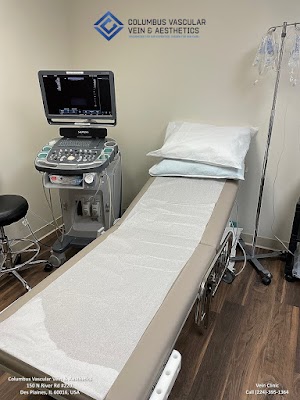
The exam looks beyond the obvious bulge. We assess ankle swelling, skin texture, temperature, and pulses, then perform a standing duplex ultrasound at a vein ultrasound clinic. Standing matters, because reflux worsens under gravity. The sonographer tests valve function and maps the saphenous pathways, tributaries, and perforators. You see the findings on screen. We explain whether your problem is primarily cosmetic spider veins, medically significant reflux, or both.
From there, we discuss options, including timing, insurance coverage, and practical details. Some patients proceed first with ablation to address symptoms, then return for spider vein treatment later. Others with cosmetically dominant spider veins but no reflux go straight to sclerotherapy or laser. Shared decision‑making starts the plan on the right foot.
Safety profile and what we watch for
Complications occur rarely, but we prepare for them. After endovenous ablation, the issues we discuss include bruising, tenderness along the treated vein, superficial phlebitis, skin numbness, and the rare extension of clot near a deep vein. We schedule a follow‑up ultrasound to catch problems early. The deep vein thrombosis risk in modern series is low, and the risk of pulmonary embolism lower still. We reduce those risks through careful technique, mobilizing patients immediately, and risk‑stratifying those with prior clots.
With sclerotherapy, the most common nuisance is temporary staining along the treated vein. It fades over months in most cases. Matting, the appearance of fine red vessels near the injection site, can occur and often responds to touch‑up treatment. True allergic reactions to sclerosant are uncommon. Vision changes and migraine‑type symptoms have been reported rarely in the minutes after foam injections, particularly in patients with migraine history. We minimize doses and keep patients under observation briefly in the vein therapy clinic.
Surface laser carries the small risk of blistering and pigment changes. Detailed skin assessment, careful settings, and sun‑exposure counseling reduce these events. We avoid treating over recent tans and test suspicious areas before full passes.
Costs, coverage, and practical expectations
Insurance coverage often hinges on two elements, symptoms and documented reflux on ultrasound. A vein treatment specialist will document your symptom history and obtain a duplex study to support medical necessity. Plans sometimes require a trial of compression stockings in a specified strength for several weeks before authorizing ablation. This can feel bureaucratic, but it is workable. Spider vein treatment, when cosmetic only, is usually self‑pay. Practices differ in pricing. Many offer per‑session rates and package options.
From a time standpoint, an ablation appointment typically runs 45 to 90 minutes door to door, with the energy delivery itself lasting 10 to 20 minutes. Spider vein sessions often last 20 to 40 minutes. Most patients need a series of spider vein treatments, spaced several weeks apart, because those small vessels exist in networks and respond incrementally.
Who should not have laser vein treatment
There are situations where we hold off, choose a different method, or collaborate with other specialties:
- Active infection in the limb or severe dermatitis over access sites raises the risk of complications. We treat the skin first. Uncontrolled clotting disorders or recent deep vein thrombosis can change the calculus. We may delay, anticoagulate, or plan alternative approaches. Pregnancy is not the time for elective vein procedures. Symptoms can be managed conservatively, then reassessed postpartum. Severe peripheral arterial disease requires caution. Compression and venous interventions can worsen ischemia in extreme cases. We check pulses and, if needed, obtain arterial studies before proceeding. Inability to ambulate after the procedure increases clot risk. We adapt plans for patients with mobility challenges and sometimes choose non‑thermal methods or defer definitive therapy until safer.
These are judgment calls best made in a comprehensive vein center with access to a vein physician experienced in both venous and arterial nuance.
Small decisions that improve outcomes
Experience teaches a few practical truths that rarely make it into brochures. Hydrate well on the morning of your procedure. Hydration plumps veins and makes IV access smoother. Bring your compression stockings to the appointment so we can place them immediately afterward and ensure the fit is right. Plan a short walk the evening of your ablation, even if the leg feels slightly tender. Movement quiets soreness and lowers clot risk. Track your symptoms and appearance with photos, because improvement tends to be gradual and day‑to‑day changes are easy to miss. If you have a travel plan that involves long flights, tell your vein doctor. We can time procedures and recommend leg exercises, hydration, and stockings to keep risk low.
Choosing a clinic and a clinician
When you look for a vein center, focus on the bench strength of the team and the scope of services. A venous clinic that offers ultrasound in‑house, multiple treatment modalities, and a track record of follow‑up is preferable to a boutique that focuses on one device. Ask who reads the ultrasound and who performs the procedure, and whether the vein doctor is on site during treatments. Comfort with both thermal ablation and sclerotherapy matters, as most patients benefit from a combination. Programs that see chronic venous insufficiency regularly will also be better prepared for edge cases, like recurrent veins after prior surgery or veins near sensitive nerves around the ankle.
The label on the door varies. You might see vein institute, vein health center, venous disease center, vein disorders center, or vein and laser clinic. What counts is the expertise inside. A phlebology clinic with a board‑certified vein physician, access to a vein evaluation clinic, and the culture to say not today when a different plan would be safer is where good outcomes come from.
Bringing myths into the open, one patient at a time
Over the years, I have treated teachers who stand all day, nurses fresh off night shifts, contractors with heavy gear, new mothers adjusting to the demands on their legs, and avid runners annoyed by a single bulging vein despite strong calves. The storylines differ, but the hesitations sound familiar. They worry about pain. They assume it is cosmetic. They have heard horror stories from an aunt who had stripping decades ago. They read an online forum that conflated facial lasers with endovenous therapy.
The antidote is not a sales pitch. It is a careful ultrasound, a plain‑spoken explanation of reflux, and a plan matched to anatomy and goals. When patients understand why a particular vein failed and how closing it helps, fear gives way to relief. They return a month later with lighter legs and better sleep because the cramps settled. They show their ankles without hiding the clusters that once embarrassed them. Not every case is straightforward. Some require staged approaches. Some call for conservative management longer than either of us hoped. But the wisdom of modern vein care has little to do with flashy lasers and everything to do with listening, mapping, and choosing well.
If your legs ache by midafternoon, if the swelling around your ankles leaves sock grooves, if purple webs make you avoid the pool, or if you inherit a family pattern of bulging veins, schedule a vein clinic consultation. Whether you visit a vascular vein clinic, a varicose vein treatment center, or an advanced vein clinic inside a larger medical vein clinic, begin with a proper workup. Myths shrink quickly in the light of a good explanation and a thoughtful plan.